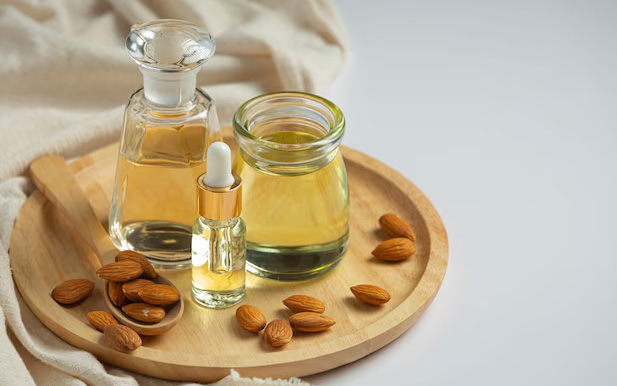
Prunus amygdalus amara
The bitter almond of the Anti-Atlas. Natural Benzaldehyde. Taliouine, 1,200 meters above sea level.
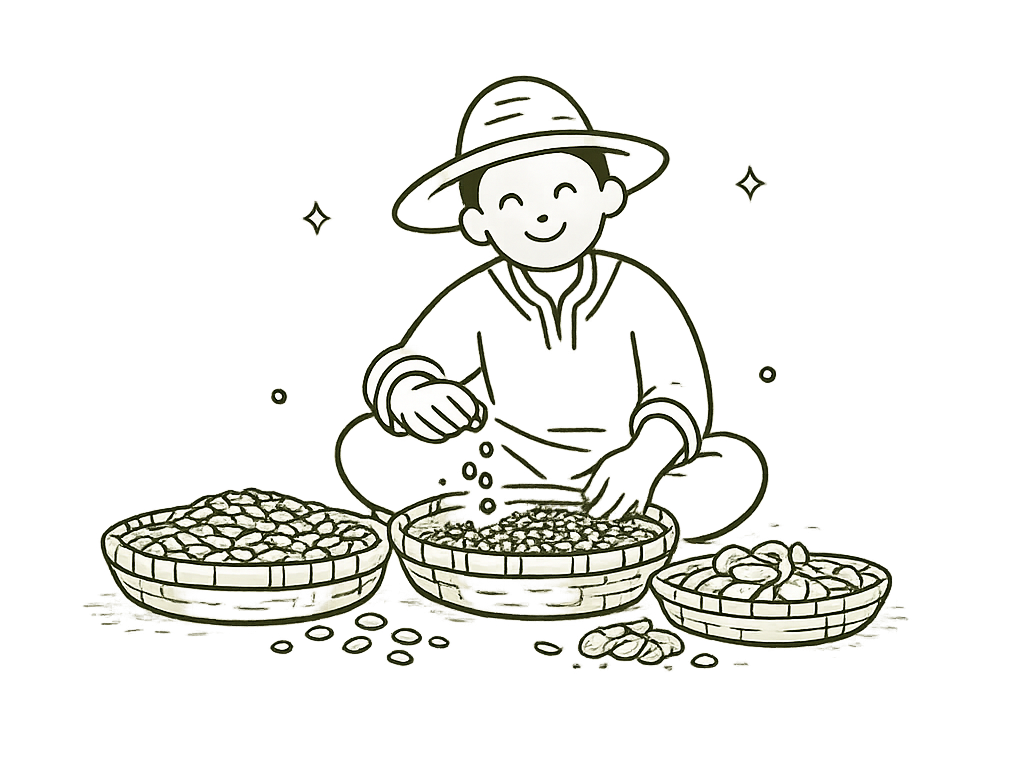
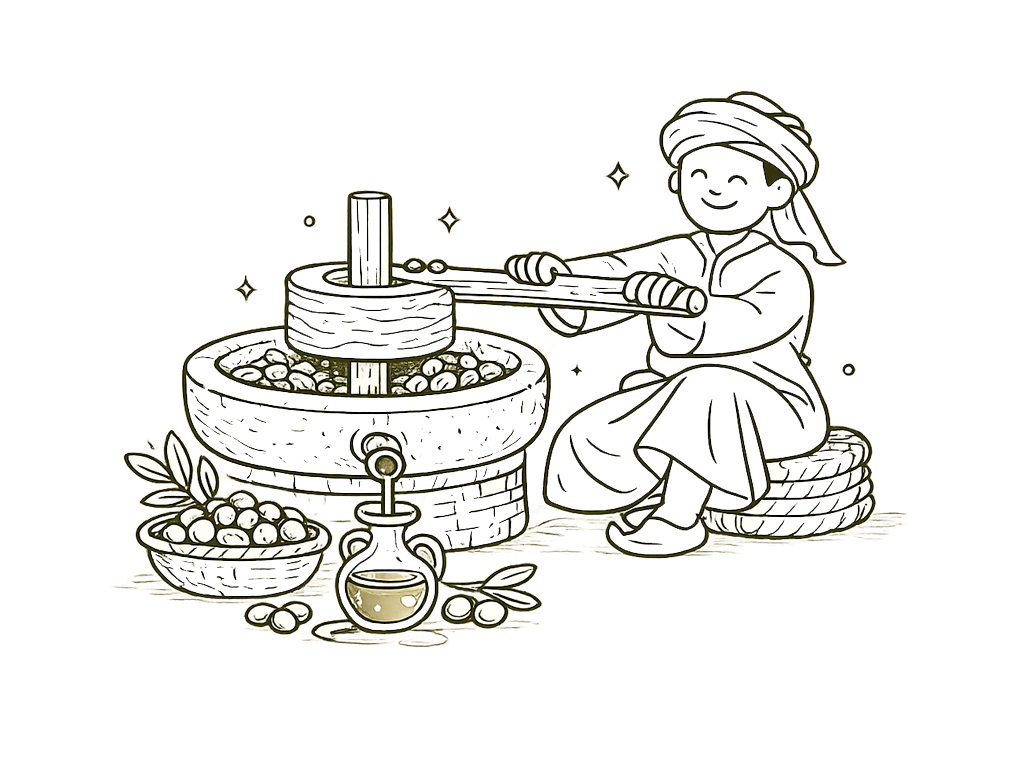
In the Anti-Atlas Mountains, between Taliouine and Ouled Berhil, wild almond trees grow at 1,200–1,500 meters above sea level alongside saffron crocuses. The same Amazigh families who harvest the most expensive saffron in the world have been growing these almond trees for generations, without chemic…
TALIOUINE · OULED BERHIL · ANTI-ATLAS
DOSED NATURAL BENZALDEHYDE
DEBITE DPHP
DIRECT COOPERATIVES
COSMETIC & PERFUMERY USE ONLY